Symptoms of Bad Valve Guides: A Comprehensive Overview (as of 04/28/2026)
Recognizing failing valve guides is crucial for engine health. Like a leaky heart valve, issues can remain unnoticed, straining the engine and leading to performance decline and potential damage.
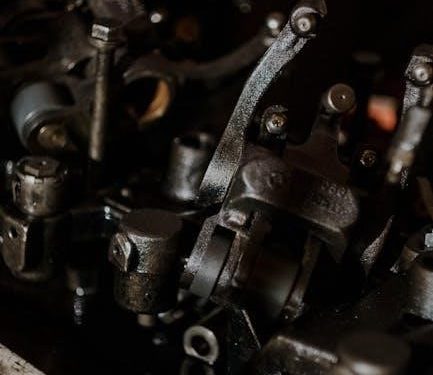
Valve guides are essential components within your engine’s cylinder head, playing a critical role in maintaining precise valve control. These cylindrical components are precisely fitted into the cylinder head and serve as a low-friction surface for the valve stems to move within. Their primary function is to ensure the valves open and close at the correct time and with the proper amount of lift, maximizing engine efficiency and power.
Without properly functioning valve guides, valves can wander off-center, leading to incomplete combustion, reduced power, and increased wear on valve seats and faces. They act as a stabilizing force, preventing side loading and ensuring a tight seal between the valve and the valve seat. This seal is paramount for maintaining compression within the combustion chamber.
Typically constructed from cast iron, bronze, or specialized alloys, valve guides are designed for durability, but are still susceptible to wear over time. Understanding their function is the first step in recognizing the symptoms of their degradation, and ultimately, preventing significant engine damage. Proper valve guide operation is fundamental to overall engine health and longevity.
What Causes Valve Guide Wear and Failure?
Several factors contribute to the wear and eventual failure of valve guides. A primary culprit is normal engine operation – the constant reciprocating motion of the valve stems against the guide material gradually causes abrasion. The quality of lubrication plays a vital role; insufficient oil supply or degraded oil can accelerate wear significantly, increasing friction and heat.
Detonation and pre-ignition create excessive pressure and temperature spikes within the combustion chamber, stressing valve guides and potentially causing them to crack or distort. Contamination, such as carbon buildup or abrasive particles entering the valve train, acts like a grinding paste, rapidly wearing down the guide’s inner surface.
High mileage and aggressive driving habits naturally increase the rate of wear. Furthermore, poor manufacturing quality or improper installation of the valve guides themselves can lead to premature failure. Ignoring early warning signs, like subtle changes in engine performance, allows the problem to escalate, ultimately necessitating more extensive and costly repairs. Regular maintenance and quality components are key to prevention.
Initial, Subtle Symptoms of Worn Valve Guides
Detecting worn valve guides in their early stages can be challenging, as the initial symptoms are often subtle and easily mistaken for other engine issues. A slight decrease in engine smoothness, barely noticeable during normal driving, might be one of the first indicators. You may observe a minor reduction in fuel economy, attributable to inefficient combustion caused by imperfect valve sealing.
A barely perceptible rough idle, especially when the engine is cold, can also signal emerging problems. Some drivers report a slight hesitation during acceleration, though this is often intermittent and difficult to pinpoint. Increased engine noise, a faint ticking or tapping sound, might become audible, particularly at lower RPMs.
These early signs are often dismissed as normal engine quirks. However, ignoring them allows the wear to progress, leading to more pronounced and problematic symptoms. Regular observation and a keen awareness of your vehicle’s normal operating characteristics are crucial for early detection and preventative maintenance.
Increased Oil Consumption – A Key Indicator
A significant and unexplained increase in oil consumption is a prominent symptom of worn valve guides. As the guides wear, oil can seep past the valve seals and into the combustion chamber, where it’s burned along with the fuel-air mixture. This leads to a gradual but noticeable depletion of engine oil between scheduled changes.
Regularly monitoring your oil levels becomes critical. If you find yourself adding oil more frequently than usual, it’s a strong indication of a potential problem. The rate of consumption may initially be slow, but it will typically accelerate as the valve guide wear worsens. This isn’t simply a matter of inconvenience; burning oil creates carbon deposits, further exacerbating engine issues.
Pay attention to the color of your exhaust smoke. While not always present, increased oil consumption often correlates with blue-tinted exhaust fumes. This is a direct result of oil being burned within the cylinders. Addressing increased oil consumption promptly can prevent more serious and costly engine damage.
Blue Smoke from Exhaust – A Visual Clue
The appearance of blue smoke emanating from the exhaust pipe is a visually telling sign of potential valve guide issues. This discoloration isn’t typical and indicates that oil is entering the combustion chamber and being burned alongside the air-fuel mixture. Unlike white smoke (often steam) or black smoke (usually excessive fuel), blue smoke specifically points to oil combustion.
The smoke may be intermittent at first, appearing primarily during acceleration or when the engine is under load. As the valve guides wear further, the blue smoke will likely become more consistent and noticeable, even at idle. Observing when the smoke appears – cold start, warm engine, acceleration – can provide valuable diagnostic clues.
Don’t dismiss this symptom. While other issues can cause blue smoke, worn valve guides are a common culprit. Ignoring it can lead to increased carbon buildup, catalytic converter damage, and ultimately, significant engine problems. A thorough inspection is necessary to confirm the source of the smoke and address the underlying cause.
Engine Misfires and Rough Idling
Experiencing engine misfires and a generally rough idling sensation are frequently associated with deteriorating valve guides. When valve guides are worn, they can’t properly seal the valve stem, leading to inconsistent valve closure. This imperfect seal disrupts the precise air-fuel mixture needed for efficient combustion.
Misfires manifest as a stuttering or jerking during acceleration or a noticeable unevenness when the engine is at a standstill. The engine may shake more than usual, and the overall driving experience becomes less smooth. These symptoms often worsen as the engine warms up and the valve guides expand with heat, exacerbating the existing clearances.
A rough idle is a direct consequence of the inconsistent combustion across cylinders. The engine control unit (ECU) attempts to compensate, but it can only do so much with compromised valve sealing. Ignoring these signs can lead to further engine strain and potential damage to other components. Prompt diagnosis is crucial.
Loss of Engine Power and Performance
A noticeable decline in engine power and overall performance is a significant indicator of potential valve guide issues. As valve guides wear, the compromised valve seal results in incomplete combustion, directly impacting the engine’s ability to generate optimal horsepower and torque. Drivers may find themselves needing to press the accelerator harder to achieve the same level of acceleration.
This power loss isn’t typically sudden; it’s a gradual degradation that can be easily dismissed as normal wear and tear. However, the cumulative effect of inefficient combustion across multiple cylinders significantly reduces the engine’s output. Uphill climbs may feel more strenuous, and merging onto highways requires more planning and effort.
Reduced performance extends beyond acceleration; it also affects the engine’s responsiveness. The engine may feel sluggish and less eager to rev, impacting the overall driving experience. Addressing worn valve guides is essential to restore the engine’s original power and performance capabilities, preventing further deterioration.
Difficulty Starting the Engine
Experiencing increased difficulty starting the engine, particularly when it’s cold, can be a telltale sign of worn valve guides. The compromised valve seal allows oil to seep into the combustion chamber overnight. This excess oil fouls the spark plugs, hindering their ability to ignite the air-fuel mixture efficiently.
The engine may require multiple attempts to start, with prolonged cranking before it finally catches. Once started, it might run unevenly for a short period until the excess oil burns off. This issue is exacerbated in colder temperatures, as the oil becomes thicker and more resistant to vaporization.
While a weak battery or faulty starter can also cause starting problems, consistently struggling to start the engine, especially after it has been sitting, strongly suggests a valve guide issue. Ignoring this symptom can lead to further complications and potentially prevent the engine from starting altogether, necessitating costly repairs.
Ticking or Clicking Noises from the Engine
A noticeable ticking or clicking sound emanating from the engine, particularly at idle or during low-speed operation, can indicate worn valve guides. This noise arises from the excessive valve lash – the clearance between the valve stem and the rocker arm or camshaft follower. As the valve guide wears, the valve stem loses its precise alignment, creating a loose connection.
The ticking sound is most prominent when the engine is cold and tends to diminish, but not disappear entirely, as the engine warms up and the metal components expand. However, the sound will likely return when the engine cools down again. It’s crucial to differentiate this ticking from the normal sounds of engine operation.
Ignoring these noises can lead to more significant problems. The constant movement and impact can further damage the valve guides, valve seats, and even the valves themselves. A timely diagnosis and repair are essential to prevent costly engine damage and maintain optimal performance.
Valve Guide Wear and Compression Loss
Worn valve guides directly contribute to compression loss within the engine cylinders. When the guides are excessively worn, the valves cannot seat properly against the valve seats during the compression stroke. This imperfect seal allows combustion gases to escape past the valves, reducing the cylinder’s ability to build pressure.
The result is diminished engine power and efficiency. Compression loss is often most noticeable during acceleration or when climbing hills, as the engine struggles to maintain speed. This loss can also manifest as a rough or uneven idle, as different cylinders experience varying degrees of compression.
Furthermore, the escaping combustion gases can cause carbon buildup around the valve seats, exacerbating the sealing problem and accelerating valve guide wear. Addressing valve guide issues promptly is vital to restore compression, optimize engine performance, and prevent further damage to critical engine components.
How Worn Valve Guides Affect Fuel Efficiency
Worn valve guides significantly impact fuel efficiency by disrupting the optimal air-fuel mixture and combustion process. When valves don’t seal correctly due to guide wear, it leads to incomplete combustion within the cylinders. This means that a portion of the fuel isn’t fully burned, resulting in wasted fuel and reduced mileage.
The engine’s computer attempts to compensate for the combustion inefficiencies by injecting more fuel to maintain performance. However, this ultimately leads to a higher fuel consumption rate. Drivers may notice a gradual decline in gas mileage without any apparent changes in driving habits.
Moreover, the increased strain on the engine caused by worn valve guides forces it to work harder, further contributing to fuel wastage. Addressing valve guide issues isn’t just about restoring power; it’s also a crucial step towards improving fuel economy and reducing operating costs.
The Relationship Between Valve Guides and Cylinder Head Damage
Neglecting worn valve guides can escalate into significant cylinder head damage, creating a costly repair scenario. As valve guides deteriorate, the valves themselves can begin to wobble and move erratically. This unstable movement causes the valve head to impact the piston or the cylinder wall, leading to scoring and potential cracking.
Over time, this constant impact can warp the cylinder head, compromising its structural integrity. The valve seats, which ensure a tight seal, can also become damaged, exacerbating combustion leaks and further reducing engine efficiency. Severe cases may necessitate complete cylinder head replacement.
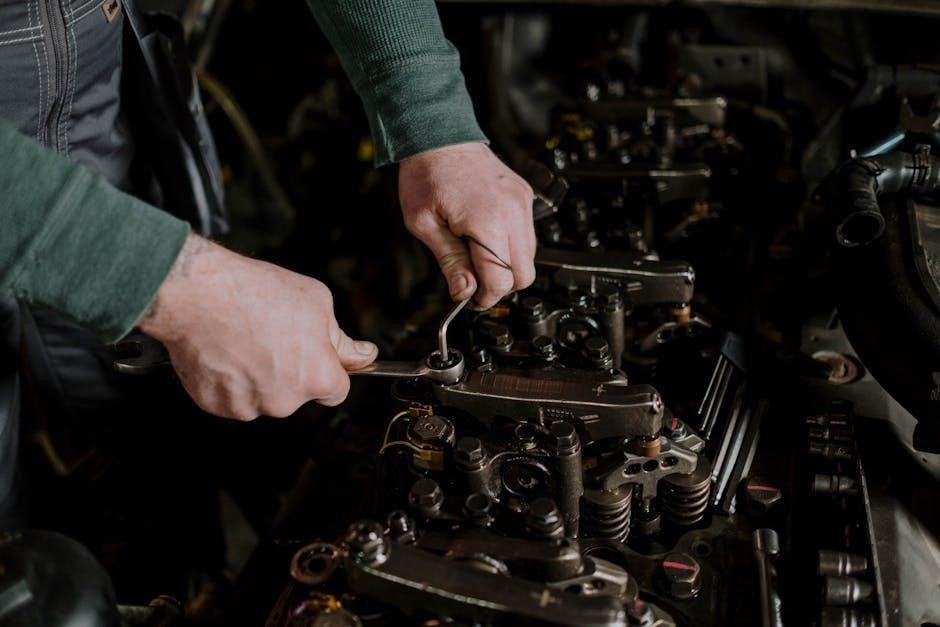
Furthermore, metal fragments from the damaged valve guides and valves can circulate within the engine, causing abrasive wear to other critical components. Addressing valve guide issues promptly prevents a cascade of damage, safeguarding the cylinder head and minimizing overall repair expenses.
Diagnosing Bad Valve Guides: Visual Inspection
A thorough visual inspection is the first step in diagnosing potential valve guide issues. This involves removing the valve cover(s) to directly observe the valve stems and guides. Look for excessive oil accumulation around the valve seals – a common sign of guide wear allowing oil to seep past.
Inspect the valve stems themselves for scoring or unusual wear patterns. A worn guide will often cause the valve stem to exhibit a polished or uneven surface due to constant friction. Gently attempt to move each valve stem; excessive play or wobble indicates a loose guide.
Carefully examine the valve guide bores for signs of ovalization or damage. A flashlight and mirror can be helpful for inspecting hard-to-reach areas. While a visual inspection provides initial clues, it’s often insufficient for a definitive diagnosis and should be combined with other tests for accurate assessment.
Diagnosing Bad Valve Guides: Leak-Down Test
The leak-down test is a more precise method for identifying valve guide issues than a simple visual inspection. This test involves pressurizing each cylinder with compressed air while the piston is at Top Dead Center (TDC) on the compression stroke.
Listen carefully for air escaping from several locations: the exhaust pipe, the intake manifold, and the oil filler cap. Air escaping through the exhaust valve strongly suggests a leaking exhaust valve or, critically, a worn valve guide preventing a proper seal. Similarly, air escaping into the intake indicates an intake valve issue.
Significant air leakage past the piston rings will be evident through the oil filler cap. However, a consistent, noticeable leak specifically at the valve(s) points directly to valve guide wear. This test helps pinpoint the source of compression loss, differentiating between valve guide problems and other engine issues, offering a more definitive diagnosis.
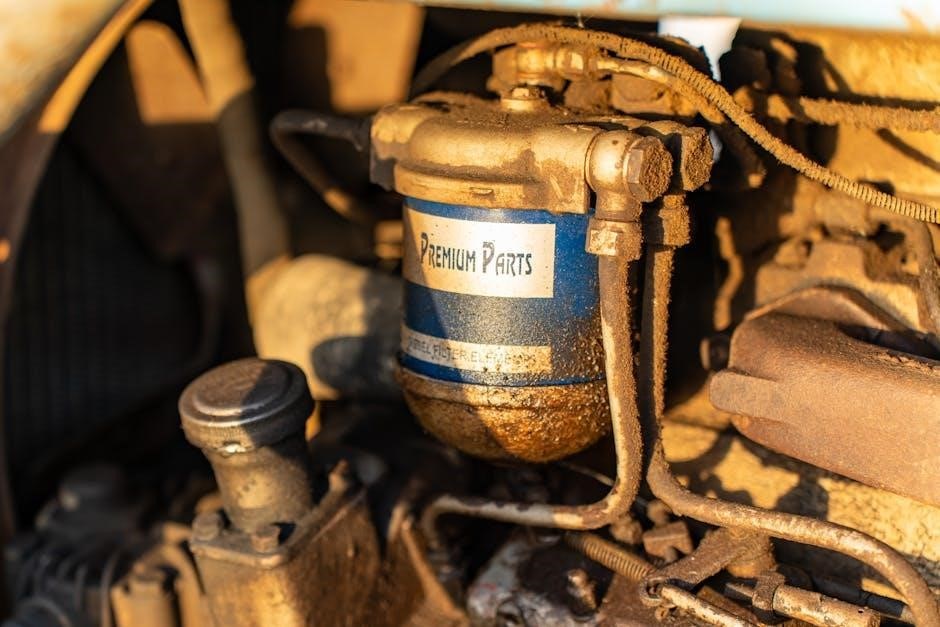
Diagnosing Bad Valve Guides: Cylinder Compression Test
A cylinder compression test is a fundamental diagnostic step when suspecting valve guide wear. This test measures the peak compression pressure within each cylinder, revealing potential sealing issues. Lower-than-expected compression in one or more cylinders can indicate a problem, but doesn’t pinpoint the exact cause.
Performing the test involves removing all spark plugs and then screwing a compression gauge into each cylinder, one at a time. The engine is then cranked over several times while the gauge records the maximum pressure achieved. A significant difference in compression between cylinders – typically exceeding 10-15% – is a red flag.
While a low reading suggests a problem, it could stem from worn piston rings, a damaged cylinder head gasket, or, importantly, leaky valves due to worn guides. To further isolate the issue, a “wet” compression test can be performed by adding a small amount of oil into the cylinder; if compression increases, rings are likely the culprit. If it remains low, focus shifts to valves and guides.
Repair Options: Valve Guide Replacement
Valve guide replacement is a common and often effective repair for addressing worn or damaged guides. This procedure involves removing the cylinder head and pressing out the old guides, then installing new ones. It’s a precision job, requiring specialized tools and expertise to ensure proper alignment and fit.
The process typically includes careful measurement of the valve stem-to-guide clearance to select the correct size replacement guides. The new guides are often installed using a hydraulic press or specialized driver tools, followed by reaming to achieve the precise interference fit. Ensuring the guides are perfectly straight and properly seated is critical for optimal valve control.
Following guide replacement, the valve seats are typically inspected and resurfaced to ensure a proper seal. The entire cylinder head is then reassembled with new valve stem seals, and the head is reinstalled onto the engine. This repair restores proper valve function, reducing oil consumption and improving engine performance. It’s a cost-effective alternative to full cylinder head replacement.
Repair Options: Cylinder Head Replacement
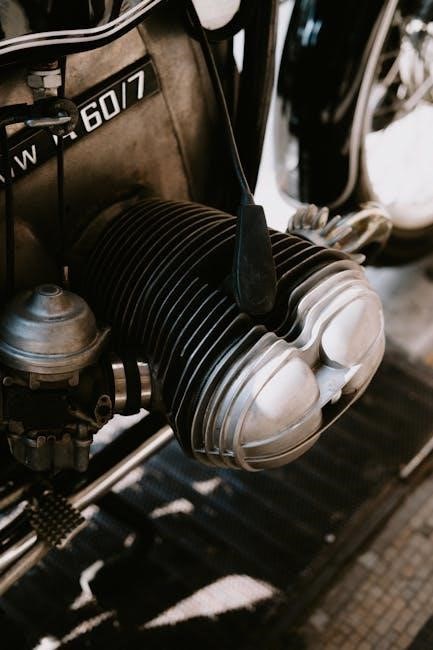
When valve guide wear is extensive, or if the cylinder head itself exhibits significant damage – such as cracks or severe corrosion – complete cylinder head replacement may be the most practical solution. This involves removing the damaged head and installing a new or remanufactured unit. While more expensive than valve guide replacement alone, it offers a comprehensive fix.
A replacement head typically comes fully assembled with new valves, valve springs, and valve stem seals, eliminating the need to transfer components from the old head. This ensures all critical parts are in optimal condition. Installation involves carefully torquing the head bolts to the manufacturer’s specifications and adjusting valve lash.
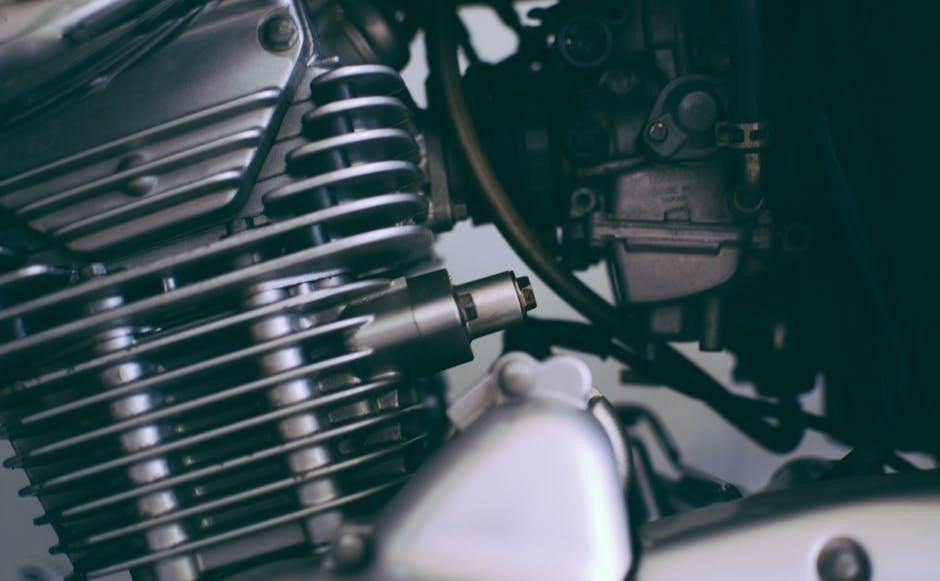
Choosing a remanufactured cylinder head can provide a cost-effective alternative to a brand-new unit. Remanufactured heads are thoroughly inspected, cleaned, and repaired, with worn components replaced. This option offers a reliable solution while minimizing expense. Cylinder head replacement effectively restores engine performance and addresses underlying issues, providing long-term reliability.
Preventing Premature Valve Guide Wear
Proactive maintenance is key to extending valve guide life and avoiding costly repairs. Regular oil changes with high-quality oil are paramount, ensuring proper lubrication and reducing friction within the valve train. Using the correct oil viscosity, as specified by the vehicle manufacturer, is crucial for optimal protection.
Allowing the engine to warm up fully before subjecting it to high loads prevents excessive wear during cold starts. Avoiding prolonged periods of idling, which can lead to oil dilution and reduced lubrication, is also beneficial. Regularly inspecting the cooling system ensures proper temperature regulation, preventing overheating that can damage valve guides.
Addressing any engine issues promptly, such as coolant leaks or excessive oil consumption, prevents further damage. Maintaining a clean air filter prevents abrasive particles from entering the engine and accelerating wear. Consistent, careful driving habits, avoiding aggressive acceleration and high-RPM operation, contribute significantly to valve guide longevity and overall engine health.